Barnstaple: How Growing Demand for Eco‑Friendly Homes is Shaping the Local Housing Landscape
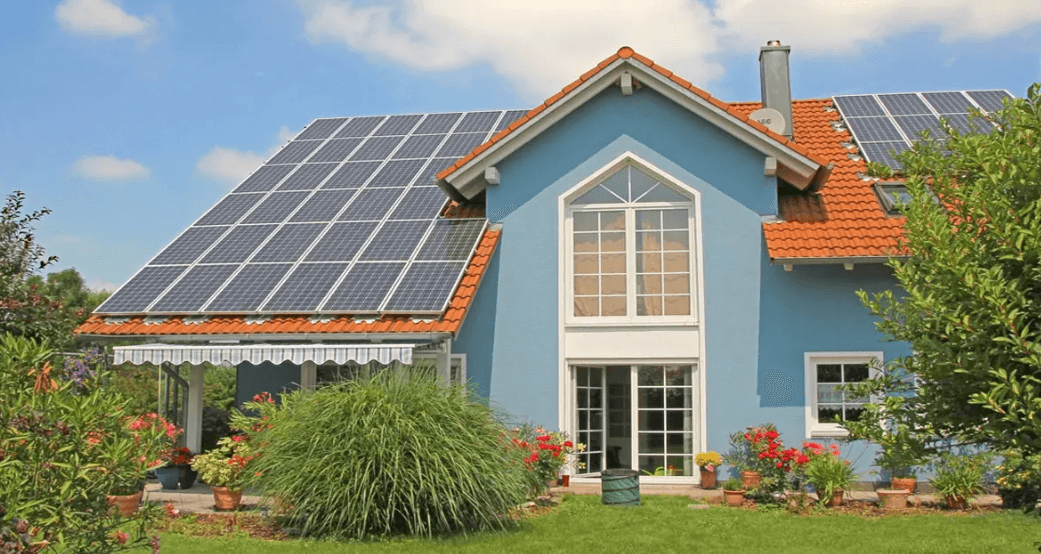
Nestled between Devon’s rugged coast and lush countryside, Barnstaple is experiencing a shift. No longer is new housing just about more homes — it’s increasingly about greener, more sustainable living. As environmental awareness rises, new housing developments are being designed with eco‑principles in mind, and that is transforming the way people live, build, and sell in North Devon.
1. The Drivers Behind the Eco‑Home Demand
Several converging forces are pushing eco‑friendly housing from niche to norm in Barnstaple:
- Legislation and planning policy: Local planning guidelines and national building standards are gradually demanding higher energy efficiency, low‑carbon heating, better insulation, and sustainable drainage features.
- Community expectations: Homebuyers today often expect more than just modern kitchens and bathrooms — things like renewable energy (e.g. solar panels or air‑source heat pumps), green space, walkability, reduced carbon emissions, and nature conservation are increasingly front of mind
- Cost of living pressures: With energy bills fluctuating, owning a home that’s well insulated, uses sustainable heating, and reduces energy waste is very attractive. Over time, eco‑homes can result in lower running costs.
- Environmental urgency: Climate change, biodiversity loss, and concerns over flood risk or habitat destruction make eco‑sensitive design more than a luxury — for many, it’s a necessity.
2. What Concrete Changes We Are Seeing in Barnstaple
The push for eco‑homes is being reflected in recent and proposed developments:
- Brynsworthy development proposals: Plans for about 450 new homes off the A39 at Brynsworthy include features like green open spaces, habitat enhancement, sustainable urban drainage systems (SUDS), walking & cycling links, and energy‑efficient building design.
- Beechfield Road affordable homes: A project by North Devon Homes that uses air‑source heat pumps and modern standards exceeding basic regulations.
- Taw Wharf development: A riverside housing scheme by Anchorwood Ltd and Pearce Homes. Profits from market‑sale homes in this development are being reinvested into affordable housing, bringing forward models of ethical development.
These examples don’t just tick eco boxes; in many cases, they reimagine community layout, infrastructure, green buffers, and mixed tenures so that new housing meets both environmental and social sustainability criteria.
See also: Coastal Towns: Why They’re Struggling with Over-Saturation in Luxury Real Estate
3. Impacts on the Local Housing Landscape
The demand for eco‑homes is not just influencing how houses are built, but also how the housing market in Barnstaple operates more broadly:
| Aspect | How It’s Changing |
| Design and mix of housing | More emphasis on mixed housing (size, tenure), flexible layouts (e.g. home office space), energy‑efficient construction, good daylight, solar orientation, etc. |
| Land use and green infrastructure | New developments are often including public green spaces, walking and cycle paths, and SUDS, alongside habitat protection or restoration. |
| Planning and community consultation | Developers and councils are being pushed to involve communities, address sustainability concerns early, and ensure new developments are well connected to amenities, services, and public transport. |
| Market values and buyer expectations | Eco‑credentials are increasingly a selling point. Homes that are energy efficient, low maintenance in terms of heating and environmental impact tend to attract more interest and sometimes premium pricing. |
| Affordable housing strategies | Ethical developments like Taw Wharf show how market‑rate and affordable housing can co‑exist, and how revenue from the former can help fund the latter. |
4. Challenges and Trade‑Offs
Of course, this shift doesn’t come without hurdles:
- Cost for developers: Building to higher energy‑efficiency standards, installing renewables, or using sustainable materials adds to upfront cost. These may need subsidies or incentives to ensure affordability.
- Planning constraints: Some proposed sites are rejected because they lie outside development boundaries, or because of concerns about infrastructure, flood risk, or loss of ecology. E.g., the Brynsworthy initial proposal met resistance because of its location and distance from services.
- Balancing density with green space: To preserve rural character and avoid loss of natural habitats, new developments are often expected to keep a proportion of land undeveloped, maintain buffers, or protect woodlands. This can limit the number of homes and raise per‑unit costs.
- Market affordability: For many buyers, eco homes are desirable, but higher build costs often translate into higher sale prices. Ensuring that sustainable housing is affordable remains a major concern.
5. Role of Estate Agents in Barnstaple in This Trend
For home‑buyers, sellers, and developers, estate agents are often the bridge between vision and reality. In Barnstaple, estate agents are adapting in multiple ways:
- Understanding and promoting eco‑features: Agents are becoming more knowledgeable about what energy ratings, insulation types, heating systems, and sustainable credentials matter to buyers. They highlight these features in listings.
- Advising on resale value: Agents can help clients understand how energy efficiency, green credentials, or sustainable features can affect the resale or rental value of a property — which is increasingly part of what buyers consider.
- Matching buyers to the right development: As more eco‑friendly developments come up (like those discussed above), estate agents play a key role in introducing prospective buyers to homes that align with their values — whether that’s low energy bills, proximity to green space, or carbon footprint.
If you’re looking for experts in this area, firms such as Estate Agents in Barnstaple are playing a pivotal role, helping both buyers and developers navigate this evolving housing scene.
6. Looking Ahead: What’s Needed
For Barnstaple to fully embrace eco‑friendly housing in a way that’s equitable, resilient, and beneficial to both people and the planet, the following will be important:
- Continued updates to local planning and building regulation to incentivise or require higher sustainability standards.
- Financial incentives — grants, tax benefits, or public investment — to offset costs of sustainable materials or renewable technologies.
- Infrastructure to support low‑carbon living: public transport, cycle lanes, connections to services, broadband (for home working), etc.
- Community engagement so that developments are not just environmentally sound, but socially cohesive and responsive to local needs.
- A balance between preserving natural landscapes and delivering enough housing, especially affordable housing.
Conclusion
Barnstaple stands at a crossroads. On one side is the traditional model of housing development; on the other, a growing demand for homes that are kinder to the environment, cheaper to run, and more in tune with modern lifestyles. This demand is already shaping what gets built, how it’s built, and how it’s marketed.
For prospective homebuyers, builders, and investors alike, understanding the eco‑home trend isn’t optional — it’s fast becoming central to what makes a property desirable. And in that changing landscape, estate agents in Barnstaple are more than intermediaries — they’re influencers, educators, and guides.