Overlooked English Towns: How Micro‑Developments Are Revolutionising Housing in Smaller, Overlooked English Towns
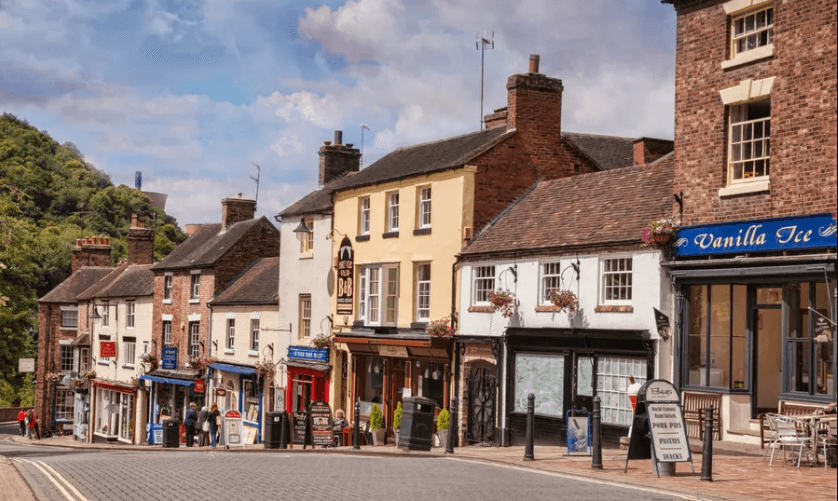
When people think of England’s housing crisis, attention naturally gravitates towards London and large metropolitan areas. But tucked away in quieter counties and smaller market towns are unique places that are being reshaped by a new wave of micro‑development. These compact housing solutions are quietly making big impacts—offering affordable homes, preserving character, and often revitalising smaller towns that have long been overshadowed.
What Are Micro‑Developments?
Micro‑developments refer to housing schemes that are smaller in scale—think fewer units, creative use of space, modest footprints, often built infill, or on brownfield sites. They might include:
- Compact flats or studios designed with high functionality
- Small housing clusters or terraces sensitive to their surroundings
- Shared amenity designs (common courtyards, communal gardens)
- Flexible / multi‑use dwellings
These developments are not about high‑density towers or urban sprawl; rather, they focus on making housing more accessible, affordable, and in tune with the character of smaller towns.
Why Smaller Towns Are Prime For Micro‑Development
- Lower land‑cost and less competition
Unlike big cities, many overlooked towns have land that is cheaper or under‑utilised. There may be derelict buildings, or plots previously overlooked for development. Micro‑developers can make these viable. - Preserving community and identity
Big developments sometimes erase historical patterns of town layout or overwhelm local infrastructure. Micro‑schemes, done well, can fit nicely into existing styles and favour local identity rather than replacing it. - Affordable housing without overbearing cost
For many first‑time buyers, key workers, or retirees, the price of larger homes is prohibitive. Smaller dwellings offer a more accessible entry into homeownership or renting. - Modern demands: sustainability and efficiency
In many cases, micro‑developments are more easily designed to be eco‑friendly: smaller spaces need less energy, shared infrastructure can be more efficient, and building smaller means lower embodied carbon per unit. - Local economic stimulation
New residents, even in modest numbers, can make a real difference in bringing footfall to local shops, supporting schools, and justifying public transport improvements.
See also: Coastal Towns: Why They’re Struggling with Over-Saturation in Luxury Real Estate
Examples and Emerging Trends
- Smaller self‑build or custom build plots in villages or market towns. These allow locals to build homes suited to their needs without waiting for large developers.
- Councils supporting schemes of 10‑20 well‑designed homes rather than sprawling housing estates. For instance, the Webbs Meadow scheme in Herefordshire delivered a first phase of 13 homes, emphasising design and local integration.
- The rise of “pocket living” or micro‑apartment schemes aiming to offer compact yet high‑utility housing. While many are in cities, the ideas (storage optimisation, shared common areas, clever layout) can be transferred to smaller towns.
Challenges to Overcome
Of course, micro‑development isn’t a silver bullet. Some of the barriers include:
- Planning regulation and space standards: National and local rules often set minimum sizes, which can dissuade or block very small units. Developers may have to adapt designs or negotiate variances.
- Infrastructure and amenities lag: Even in small towns, people expect transport links, local shops, schools, green space. If a micro‑development is built without those in place, satisfaction suffers.
- Perceptions of small living: Some potential homebuyers are reluctant to accept a smaller floor area, or fear feeling cramped. The design quality, access to light, storage, and communal spaces become more critical.
Case for Estate Agents in Boston & Similar Towns
Let’s use Boston, Lincolnshire as an example. Towns like Boston typify the kind of place that can benefit from intelligently designed micro‑developments. Boston has local demand for smaller homes: for younger people wanting to stay locally, for older people looking to downsize, for key workers who may not be able to afford large homes in more expensive areas.
This is where Estate Agents in Boston play a vital role. Local estate agents:
- Know the market intimately—what sizes and styles are in demand, what local people will accept.
- Can help match small‑scale developers to potential buyers who want compact homes.
- Can guide on valuations that reflect the value of clever design and amenity, not just square‑footage.
For anyone interested in exploring or purchasing micro‑scale homes in Boston, trusted local professionals make a difference. One good place to start is Estate Agents in Boston (Belvoir Boston), who are active in the area and familiar with the local housing landscape.
Conclusion
Micro‑developments in smaller, overlooked English towns offer a powerful tool in the effort to provide more affordable, sustainable, and community‑aligned housing. They are not magic, but done well they address many of the serious shortcomings of both large‑scale development and housing shortages in non‑urban places.
With stakeholders—including local councils, planners, developers, and estate agents working together—small towns like Boston can see real, positive transformation.