Stoke‑on‑Trent: Why Its Evolving Manufacturing Landscape Is Boosting Local Property Prices
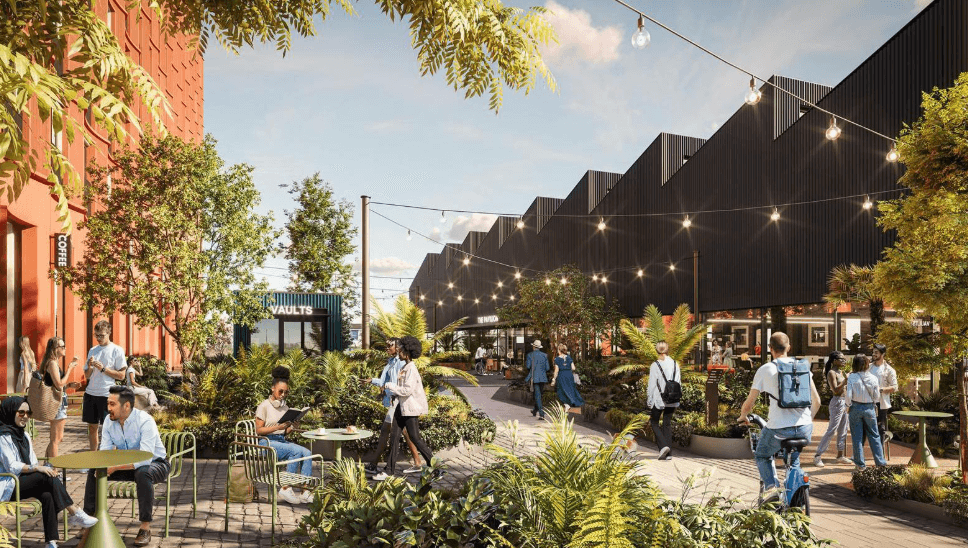
Stoke‑on‑Trent, long known as the Potteries, has always had its economic identity tied to manufacturing — particularly ceramics. But over recent years the nature of that manufacturing base has been transforming. Advanced manufacturing, technology, modern logistics and regeneration of old industrial sites are reshaping the local economy — and that is having significant ripple effects on property demand and prices.
Here’s what’s going on, how these changes are boosting property values, and what this means for home‑buyers, investors, and, of course, Estate Agents in Stoke On Trent.
The Shift in Manufacturing & Economic Drivers
Several interlinked trends are driving change:
- Growth in Advanced Manufacturing
Stoke‑on‑Trent is strengthening its position in sectors like advanced ceramics, metals, engineering, food & drink, and automotive supply chains. The city supports these sectors via infrastructure, enterprise zones (such as the Ceramics Valley Enterprise Zone), and investment in skills. - Regeneration and Reuse of Industrial Land
Former heavy industrial sites are being repurposed. Brownfield sites, old factories and potbanks are being turned into mixed‑use developments, housing, logistics hubs, and modern light manufacturing. This increases usable land for both homes and businesses. - Strategic Location & Connectivity
Stoke‑on‑Trent is well placed between major population centres (e.g. Manchester and Birmingham), with good motorway (M6, A50, A500) and rail connectivity. This makes it attractive for firms needing efficient transport links, and for people commuting or seeking more affordable homes with decent access. - Economic Strategy & Investment
Local governments have adopted proactive economic strategies, aiming to deliver more high‑quality jobs, improve skills, attract inward investment, and regenerate underutilised areas. Projects like Goods Yard, Spode Works, Etruscan Square etc. are part of this push.
See also: Coastal Towns: Why They’re Struggling with Over-Saturation in Luxury Real Estate
How This Is Affecting House Prices
These economic shifts influence property prices via a few mechanisms:
- Increased Demand from Workers & Investors
As more jobs — especially higher skilled and better paid ones — become available in Stoke, people want to live nearby. That increases demand for housing across different segments: first‑time buyers, renters, commuters, etc. - Rising Infrastructure & Amenity Quality
Investment in regeneration tends to bring better amenities (retail, transport, green spaces), which make neighbourhoods more attractive. Areas undergoing redevelopment tend to see their appeal increase, pulling up prices of nearby properties. - Scarcity & Land Reuse Pressures
As industrial sites are converted, there’s less ‘unused’ land left. New developments on formerly industrial land are often in desirable locations. This pushes up comparable sales values in neighbouring & surrounding areas. - Spill‑over Effects
When one area improves, neighbouring areas tend to benefit. Buyers may accept slightly longer commutes for cheaper houses, but still desire good links to the improving zones. This spreads rising prices. - Investor Activity
Low‑cost land, relatively affordable housing compared to larger cities, plus growth potential, attract investors (both buy‑to‑let and development). That further increases competition for property.
Data & Evidence
A few data points to underline what’s happening:
- Average house prices and rents in Stoke have risen. According to the Office for National Statistics and HM Land Registry, the average house price in Stoke‑on‑Trent was around £143,000 in May 2025, up ~2% year‑on‑year; rentals also rose significantly (≈11.6%).
- In 2024, Halifax reported that Stoke‑on‑Trent had seen one of the highest house‑price growths in the UK, with a ~17.2% jump in average house prices over 12 months to September. However, some local estate agents questioned whether that headline figure reflected the “on‑the‑ground” market, citing more modest growth of ~4%.
- Affordable housing in Staffordshire (and Stoke in particular) remains attractive relative to many other regions, which fuels demand.
What Estate Agents in Stoke On Trent Are Observing
Estate agents in the region are noticing:
- More buyer interest in areas close to new jobs, improving infrastructure or regeneration projects.
- Increased competition for new‑build homes or redevelopments close to transport hubs or regenerated zones.
- A widening gap between what sellers expect (drawing comparisons with headline statistics) and what realistic market values are, especially for less desirable areas or properties in poorer condition.
- Rising expectations from buyers for modern standards — energy efficiency, good insulation, amenities, access to services.
If you’re looking to buy or sell in Stoke‑on‑Trent, working with good local estate agents is key because they understand which neighbourhoods are on the upswing, what realistic pricing is, and how to position a property to benefit from the wider economic transformation.
Implications for Homebuyers, Investors & Developers
- For Homebuyers: Be alert to areas tied to new investment: those near expanding manufacturing or logistics hubs, regeneration zones, improved transport. Buying just ahead of a wave of investment can lock in good value.
- For Investors: High demand for rentals in improving areas, and rising rents, can make buy‑to‑let appealing. But risk exists: over‑paying in areas that are not primed for improvement, or where transport/amenity links lag.
- For Developers & Local Authorities: Ensuring infrastructure keeps pace (roads, schools, broadband, public transport) is crucial. Also, maintaining a pipeline of serviced sites (especially on brownfield land), supporting advanced manufacturing firms, and preserving local character can help make new developments more attractive.
Conclusion
Stoke‑on‑Trent is in a period of transition. Its economy is re‑shaped around modern manufacturing, logistics, regeneration, and connectivity. These shifts are boosting demand for housing, elevating expectations around amenities, and increasing property values — especially in areas with strong economic and infrastructural foundations.
For those considering buying, selling or investing in the area, leveraging local knowledge is more important than ever. That means engaging with trusted Estate Agents in Stoke On Trent who understand both the heritage of the Potteries and its emerging future — what is rising, what is lagging, and where value lies.
If you want a trusted local agent to guide you in Stoke‑on‑Trent, Goodchilds is a great example — you can check them out here: Goodchilds Stoke‑on‑Trent Estate Agents. Their on‑the‑ground expertise can help buyers and sellers make informed decisions in this evolving market.