Commercial Fire Alarm Systems: Installation, Planning and Workplace Safety
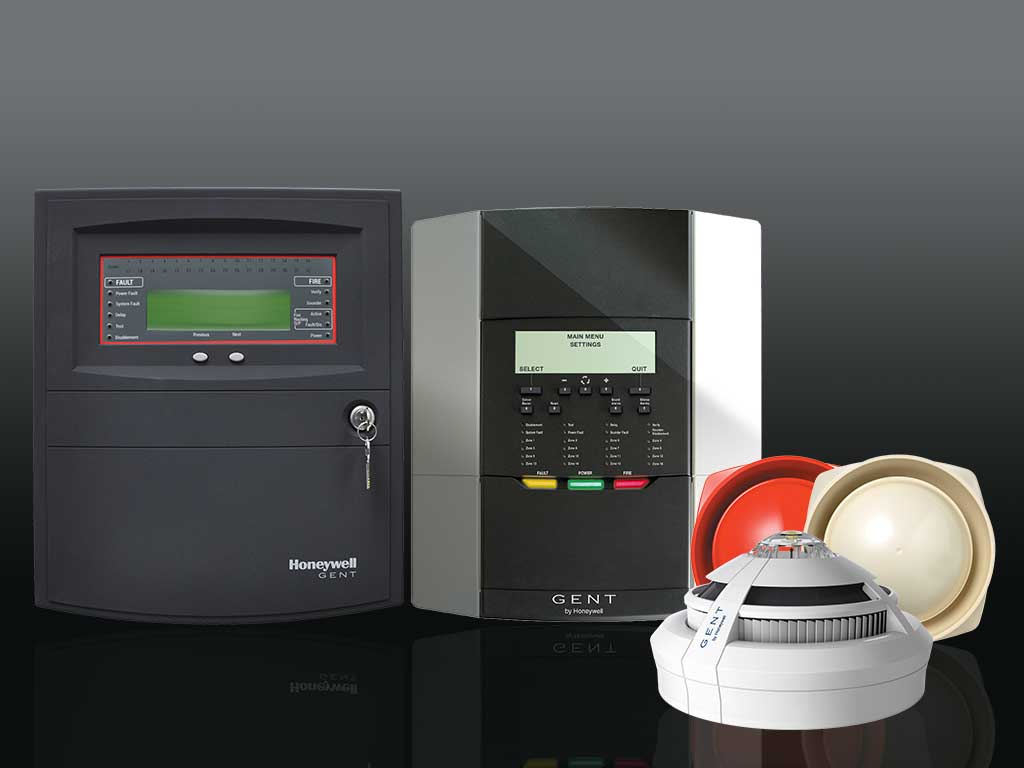
A reliable fire alarm system is one of the most important safety measures in a commercial building. Offices, warehouses, retail units, schools, hotels, industrial premises, and other workplaces all face different fire risks, which means their detection and warning systems need to be planned around the building rather than treated as a one-size-fits-all solution. A properly designed system can detect signs of fire early, alert occupants quickly, and support an organised emergency response.
Commercial fire alarms installation choosing the right system involves more than simply fitting smoke detectors to ceilings. Factors such as building size, occupancy, room layout, fire hazards, escape routes, environmental conditions, and the needs of people using the premises should all be considered. Installation should therefore form part of a wider fire safety strategy that includes risk assessment, emergency procedures, regular testing, and ongoing maintenance.
Why Commercial Fire Alarm Systems Matter
A fire can develop rapidly, particularly in premises containing electrical equipment, combustible materials, machinery, packaging, chemicals, or cooking facilities. In a busy commercial environment, people may not immediately recognise that a fire has started, especially when they are working in separate rooms or areas of a large building.
A fire alarm provides an early warning that can make a significant difference. By detecting smoke, heat, or other indicators of a developing fire, the system can alert occupants before conditions become too dangerous.
Early notification can help people:
- Begin evacuation promptly.
- Follow designated escape routes.
- Assist visitors who may be unfamiliar with the building.
- Contact emergency services without unnecessary delay.
- Prevent confusion during an emergency.
- Give responsible personnel an opportunity to follow established procedures.
The effectiveness of an alarm system depends heavily on suitable design and positioning. A poorly located detector may not identify a fire quickly enough, while insufficient sounders can leave people unaware of an alarm in another part of the building.
Understanding Different Types of Fire Detection
Commercial properties can require different types of detection depending on their layout and activities. The most suitable arrangement is usually determined through a fire risk assessment and system design process.
Smoke Detection
Smoke detectors are widely used because many fires produce smoke before temperatures become extremely high. They can provide valuable early warning in offices, corridors, storage areas, and other suitable environments.
However, smoke detectors are not appropriate for every location. Areas where steam, dust, fumes, or airborne particles are routinely present may require alternative detection technology to reduce unwanted alarms.
Heat Detection
Heat detectors respond when temperatures reach a particular threshold or increase rapidly. They can be useful in locations where smoke detectors may be unsuitable because of environmental conditions.
For example, kitchens, workshops, plant rooms, or areas with significant dust may sometimes benefit from heat-based detection. Their suitability depends on the specific risk and the characteristics of the room.
Manual Call Points
Manual call points allow occupants to activate the fire alarm when they discover a fire. They are an important part of many commercial systems because a person may identify an emergency before an automatic detector responds.
These devices are normally positioned along escape routes and at suitable locations where they can be accessed quickly. Their placement should support straightforward evacuation rather than forcing people to move towards a potential hazard.
Combined Detection Systems
Larger or more complex premises may use several forms of detection. Smoke detectors, heat detectors, manual call points, sounders, visual indicators, and control equipment can work together to create a coordinated warning system.
The objective is not simply to install the greatest number of devices. Instead, every component should have a clear purpose and contribute to effective fire detection and occupant warning.
Planning a Commercial Fire Alarm Installation
Good planning is essential before installation begins. A commercial building may contain offices, storage rooms, meeting spaces, plant areas, kitchens, stairwells, corridors, and specialist workspaces, each presenting different risks.
A professional system design should consider:
- The building’s size and number of floors.
- Occupancy levels and working patterns.
- Escape routes and exits.
- Fire hazards associated with business activities.
- Areas with high levels of dust, heat, steam, or fumes.
- Sleeping or vulnerable occupants where applicable.
- Access requirements for maintenance.
- The need for visual alarm indicators.
- Existing fire safety equipment.
- Future changes to the building or business.
The location of detectors and alarm devices should be carefully considered. A detector positioned behind an obstruction, too close to an unsuitable environmental source, or in an area with unusual airflow may not perform as intended.
The Importance of Zoned Detection
Commercial fire alarm systems are often organised into zones so that personnel can identify the general area where an alarm has originated. In a large building, this can significantly improve the speed and organisation of the response.
For instance, if a system indicates that an alarm has been triggered on a particular floor or within a particular section of the building, responsible personnel can immediately focus their attention on that area while the evacuation procedure continues.
More advanced systems may provide addressable detection, allowing individual devices to be identified rather than simply identifying a broad zone. This can be especially useful in larger or more complicated premises.
Installation Quality and System Reliability
Installation quality has a direct influence on how reliably a fire alarm system performs. Equipment must be positioned appropriately, connections must be secure, and the system should be configured according to its design requirements.
It is also important to consider the building’s power supply. Fire alarm systems need dependable electrical arrangements and appropriate backup provisions so that the system can continue operating when normal power is interrupted.
Cabling is another important consideration. It should be installed in a way that supports the integrity of the alarm system and protects relevant circuits from damage. The installation should also take account of future servicing, allowing technicians to inspect and maintain equipment without unnecessary disruption.
Testing and Commissioning
Installing equipment is only one stage of the process. Once the system has been installed, it should be properly tested and commissioned to confirm that the components work together as intended.
Testing can include checking:
- Automatic detection devices.
- Manual call points.
- Alarm sounders.
- Visual warning devices.
- Control and indicating equipment.
- Power supplies and backup arrangements.
- Fault indications.
- Communication between system components.
- Coverage across relevant areas.
Commissioning also provides an opportunity to identify installation problems before the system is placed into normal service. Any issues should be resolved rather than assuming that an alarm system will operate correctly simply because its individual components appear functional.
Regular Maintenance Is Essential
A commercial fire alarm system should not be viewed as a piece of equipment that can be installed and forgotten. Dust, accidental damage, building alterations, electrical faults, and component ageing can all affect performance over time.
Routine maintenance helps identify problems before they become serious. Testing should also be carried out according to the relevant requirements and the needs of the premises.
Employees should know what to do when an alarm is tested. Otherwise, repeated tests may create confusion about whether a real emergency is occurring. Clear communication helps ensure that staff understand the difference between scheduled testing and an actual alarm.
Maintenance records should also be retained. Documentation can demonstrate that appropriate checks have been carried out and can help responsible persons identify recurring faults or maintenance requirements.
Fire Alarm Systems and Business Continuity
Fire safety is not only about protecting people. A serious fire can cause extensive disruption to business operations, damage equipment and stock, interrupt communications, and make a building unusable for an extended period.
An effective detection system can support earlier intervention and evacuation, potentially reducing the consequences of an incident. While an alarm cannot prevent every fire from causing damage, rapid detection can give people more time to respond appropriately.
Businesses should therefore consider fire detection alongside broader continuity planning. Critical equipment, important records, backup systems, emergency contacts, and alternative operating arrangements may all need consideration depending on the nature of the organisation.
See also: How Local SEO Helps Small Businesses Compete Online
Staff Training and Emergency Procedures
Even the most advanced alarm system cannot replace proper staff awareness. Employees should understand the building’s evacuation procedures, alarm signals, escape routes, assembly arrangements, and responsibilities during an emergency.
Training should reflect the actual workplace. A warehouse may require different procedures from an office, while premises with members of the public may need additional arrangements for visitors.
Staff should also know never to ignore an alarm simply because there is no obvious sign of fire. Every alarm should be treated seriously until the situation has been assessed by an appropriate person.
Common Mistakes to Avoid
Several avoidable mistakes can reduce the effectiveness of commercial fire alarm arrangements.
Treating Every Building the Same
Different buildings have different risks. A small office, manufacturing facility, hotel, and warehouse should not automatically receive identical detection arrangements.
Ignoring Environmental Conditions
Steam, dust, fumes, and extreme temperatures can affect detector suitability. Selecting equipment without considering the environment may lead to nuisance alarms or reduced detection performance.
Neglecting Building Changes
Partitions, extensions, changes in room use, new machinery, and altered occupancy can change fire risks. The alarm system should be reviewed when significant changes occur.
Failing to Maintain Records
Testing and maintenance records provide useful evidence that the system is being managed responsibly. Missing documentation can also make it harder to identify recurring issues.
Relying Entirely on Automatic Detection
Manual call points, staff awareness, emergency procedures, and appropriate evacuation arrangements remain important even when automatic detection is installed.
Creating a Long-Term Fire Safety Strategy
Commercial fire protection works best when individual measures operate together. Fire alarms should form part of a broader strategy that can include fire doors, emergency lighting, extinguishers, evacuation plans, staff training, signage, and regular risk assessments.
The strategy should also be reviewed periodically. Business activities change, buildings are modified, employees come and go, and new hazards can emerge. Regular review helps ensure that fire safety arrangements continue to reflect the actual conditions within the premises.
Conclusion
A commercial fire alarm system is a fundamental part of protecting people, property, and business operations from the consequences of fire. Effective protection depends on appropriate system design, suitable detection technology, correct installation, reliable alarm coverage, commissioning, staff awareness, and regular maintenance.
The right approach begins with understanding the specific risks and characteristics of the building. Rather than focusing solely on the equipment itself, businesses should consider how detection, warning, evacuation, maintenance, and emergency procedures work together. A well-planned system provides occupants with valuable warning and supports a structured response when every second matters.
Frequently Asked Questions
1. How often should a commercial fire alarm system be tested?
Commercial fire alarm systems should be tested regularly in accordance with applicable requirements, the system design, and the circumstances of the premises. Routine checks can identify faults early, while periodic professional servicing provides a more detailed assessment. Testing arrangements should also be documented so that responsible personnel can monitor system performance over time.
2. Are smoke detectors suitable for every commercial building?
No. Smoke detectors are effective in many environments, but they may not be suitable for areas affected by steam, dust, fumes, or other conditions that could cause unwanted alarms. Heat detection or other technologies may be more appropriate in certain locations. The choice should be based on the specific risks and environmental conditions.
3. What is the difference between conventional and addressable systems?
A conventional system generally identifies an alarm within a defined zone, while an addressable system can identify the individual detector or device that has activated. Addressable systems can therefore provide more detailed information, which may be particularly useful in larger or more complex buildings where locating the source of an alarm quickly is important.
4. Why are manual call points still necessary?
Manual call points allow someone who discovers a fire to activate the alarm immediately. Automatic detectors may take time to respond depending on the location and nature of the fire. A person may also notice flames or smoke before a detector activates. Manual activation therefore provides an additional method of raising the alarm quickly.
5. Does a fire alarm system need maintenance after installation?
Yes. Installation does not eliminate the need for ongoing attention. Components can become damaged, contaminated, disconnected, or faulty over time. Regular testing and professional maintenance help identify such problems and keep the system operating reliably. The system should also be reviewed if the building layout, occupancy, or business activities change significantly.